Tank vs. Tankless: What’s the Difference?
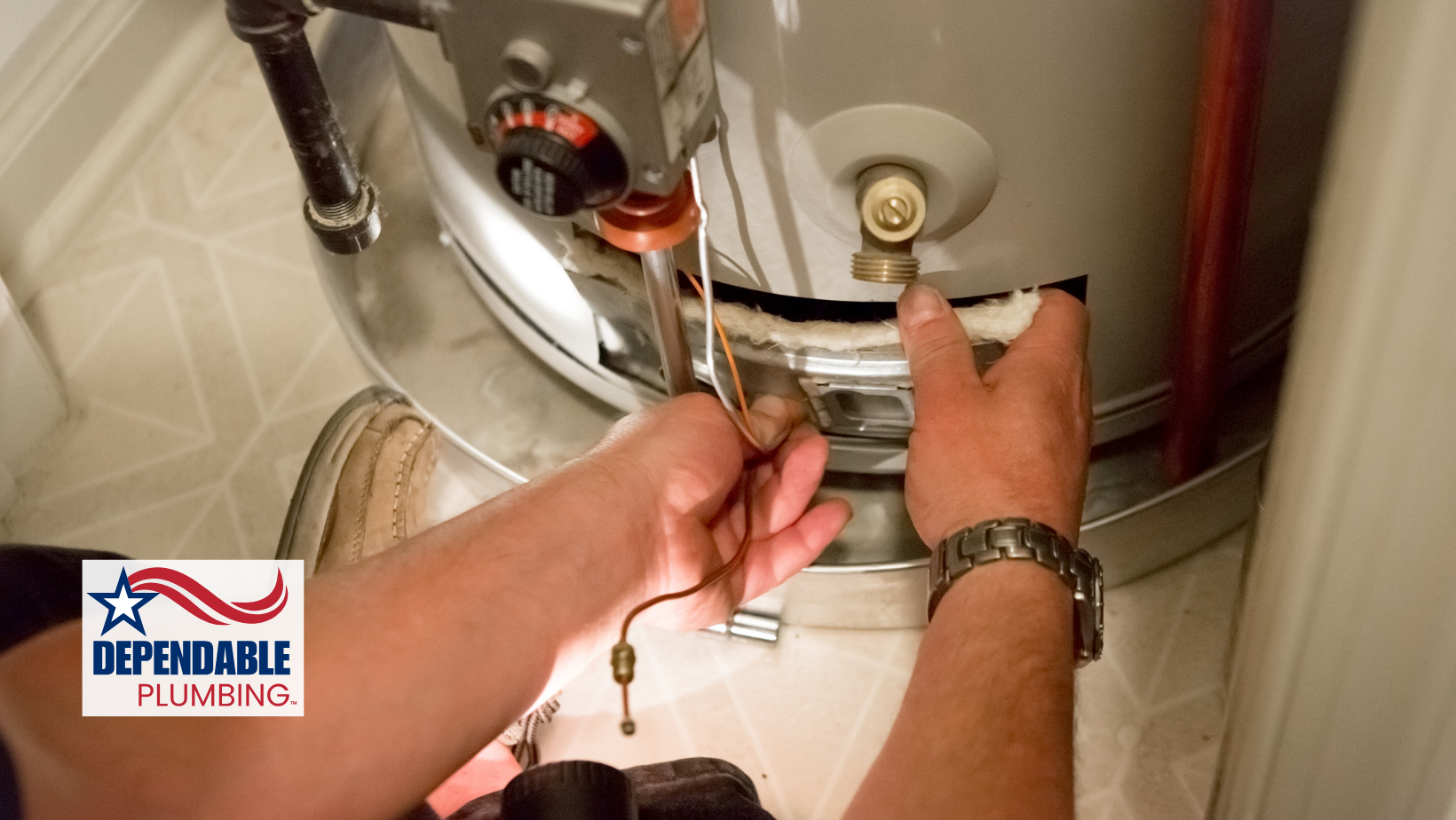
A Homeowner & Business Owner’s Guide to Smart Water Heater Decisions
Choosing the right water heater is more than picking a brand — it’s about matching the right technology to your needs, usage patterns, and budget. In Georgia’s varied climate and with both residential and commercial demands, understanding tank vs. tankless water heaters can help you save energy, reduce costs, and enjoy reliable hot water year-round.
This guide breaks down the pros and cons of tank vs. tankless systems, explains how sizing matters for homes and businesses, and offers practical tips to help you decide when it’s time for water heater installation in GA. Whether you’re upgrading an old unit or planning new construction, this overview gives you the confidence to choose the right solution.
Tank vs. Tankless Water Heaters: What’s the Difference?
Traditional Tank Water Heaters
Tank systems store and heat a large volume of water in an insulated tank, ready for use whenever you need it. They’re a common choice in many Georgia homes and small businesses because they’re familiar, straightforward, and typically cost less upfront.
Tankless Water Heaters
Tankless systems — also called on-demand heaters — heat water only when you need it. Instead of storing hot water, they instantly heat it as it flows through the unit, which can lead to significant energy savings and endless hot water.
Pros and Cons: Tank Water Heaters
Benefits of Traditional Tank Systems
- Lower upfront cost — generally cheaper to install than tankless systems
- Simple technology — easy to maintain and widely understood
- Reliable hot water storage — ideal for homes with predictable usage
Drawbacks to Consider
- Energy loss — tanks continuously heat stored water, which can increase your energy bill
- Limited capacity — once the tank is depleted, you must wait for a refill
- Larger footprint — tanks take up more space in closets, basements, or utility rooms
Pros and Cons: Tankless Water Heaters
Why Tankless Is Gaining Popularity
- Energy efficiency — heating water only when needed can lower utility costs
- Unlimited hot water — great for larger families or high-demand businesses
- Smaller size — ideal for tight spaces or modern builds
What to Keep in Mind
- Higher upfront cost — installation and equipment costs are typically greater
- Retrofit complexity — older homes may need upgrades to existing infrastructure
- Flow limitations — if multiple fixtures run at the same time, size and capacity must be carefully matched
Energy Savings and Cost of Ownership
Georgia’s Climate & Your Utility Bills
In Georgia, where winters can be mild and summers hot, your water heater works year-round. Tankless systems can deliver real savings over their lifespan — especially if your household or business runs high hot water demand (e.g., large families, restaurants, laundromats).
Here’s how they compare:
- Tank systems: predictable energy use but standby heat loss
- Tankless systems: potentially up to 30% greater efficiency on average due to on-demand heating
That means lower long-term utility bills, even if upfront installation costs are higher.
Sizing Your Water Heater: Home vs. Business Needs
How to Choose the Right Size
Correct sizing is crucial to ensure performance:
- Residential homes: Factor in the number of people, usage patterns, and peak demand times
- Commercial properties: Consider number of fixtures, employees, customers, and simultaneous use
Tank systems are sized by gallons (e.g., 50–80 gallons for many homes), while tankless systems are sized by flow rate (gallons per minute, or GPM). A professional installer can assess your needs and recommend the right size — too small, and you run out of hot water; too large, and you overspend.
Dependable Plumbing offers expert water heater installation in GA for both residential and commercial customers, ensuring proper sizing and optimal performance.
Installation, Maintenance, and Lifespan
What to Expect With Professional Service
Proper installation not only ensures safety but also maximizes efficiency and longevity:
- Tank systems usually last 10–15 years
- Tankless units often reach 20+ years with proper maintenance
Regular servicing — such as flushing sediment from tanks or descaling tankless units — helps extend the life of both systems. Dependable Plumbing provides thorough inspections, maintenance services, and can recommend the best schedule for your location.
Real World Scenarios: Which System Fits Best?
Family Home with High Daily Demand
If your household uses a lot of hot water at peak times — multiple showers, dishwasher, laundry — a tankless system might be a game-changer for efficiency and endless supply.
Business with Multiple Fixtures
Restaurants, salons, or apartment buildings may benefit from commercial-grade tankless units or large capacity tanks tailored to heavy usage. In these settings, professional assessment and installation ensure system reliability and code compliance.
Making Your Decision with Confidence
Ask the Right Questions
Before you choose:
- What’s your typical hot water usage pattern?
- Do you want lower monthly energy bills or lower upfront costs?
- How long do you plan to stay in your current property?
Professional guidance from an experienced installer helps you weigh these trade-offs.
Dependable Plumbing: Your Water Heater Experts in North Georgia
Choosing the right water heater — whether tank or tankless — can improve comfort, reduce energy costs, and future-proof your home or business.
Dependable Plumbing provides:
- Water heater installation in GA
- Tank and tankless system expertise
- Repair, maintenance, and emergency service
Call (706) 452-5714 to schedule a consultation or installation with a trusted local plumbing team that knows Georgia homes and businesses inside and out.
Have plumbing problems?
Dependable Plumbing is Your One-Stop Solution for Emergency Plumbing Services, Leak Detection, Repair, and Septic Tank Maintenance
Call (706) 698-5000 for service today!