Septic System Myths Debunked: Facts Every Homeowner Should Know
Separating Fact from Fiction to Protect Your Home & Septic Investment
Septic systems keep your home’s wastewater moving safely and quietly — until something goes wrong. Along the way, many homeowners fall for common septic myths that can lead to poor maintenance, costly repairs, or unexpected failures. In this engaging, informative post, we’ll set the record straight with septic fact vs fiction comparisons that help you care for your system the right way.
Whether you’ve lived with a septic system for years or are new to owning one, understanding what’s real (and what’s not) empowers you to make smarter decisions. Plus, you’ll learn when it’s time to call in professional help.
Myth: You Don’t Need to Pump Your Septic Tank Regularly
Reality: Routine Pumping Prevents Costly Problems
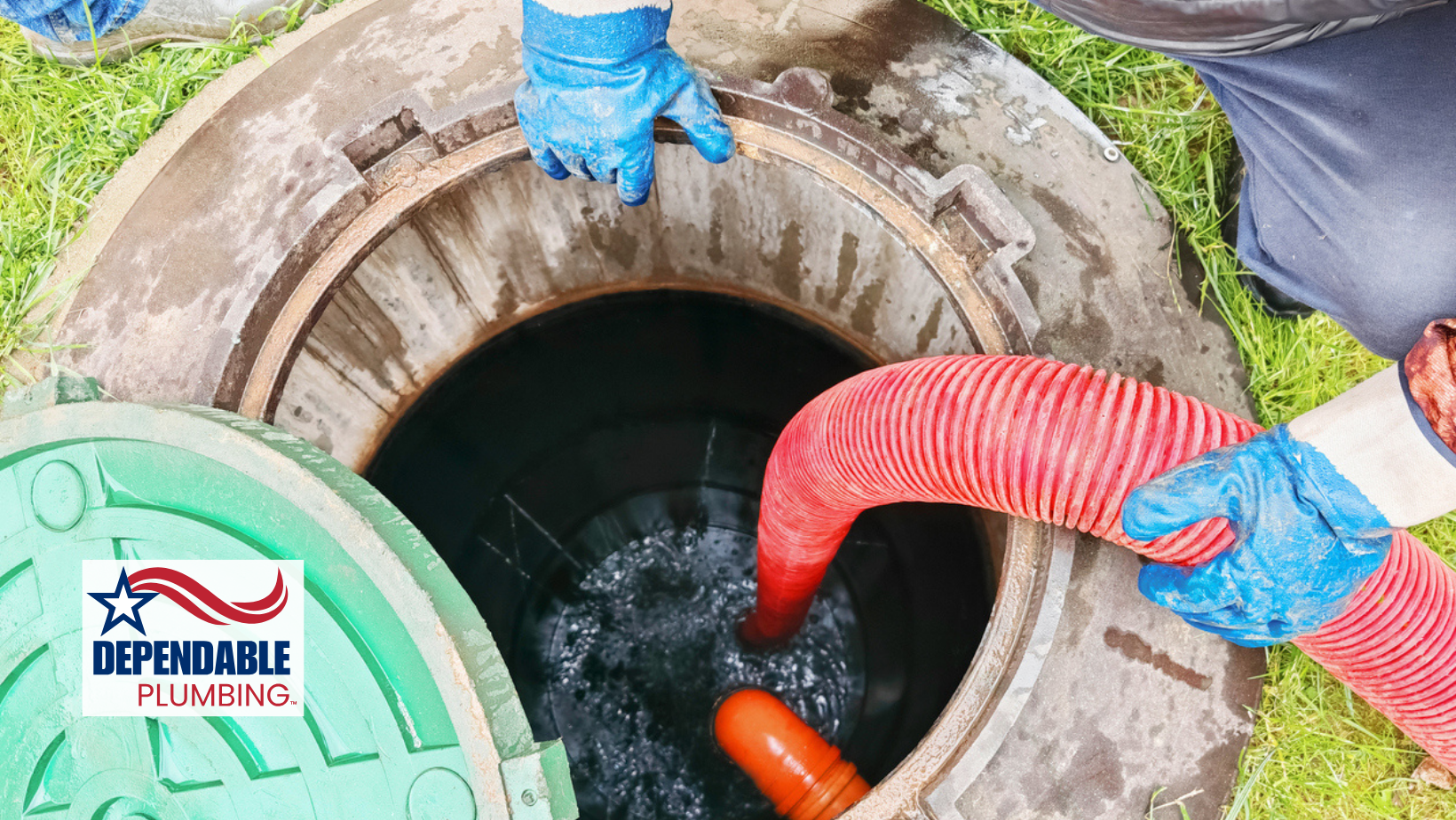
One of the biggest septic misconceptions is that “pumping isn’t necessary unless there’s a problem.” The truth? Regular septic maintenance helps avoid backups, drain field damage, and expensive system failure. Most systems benefit from inspection every 1–3 years and pumping every 3–5 years — depending on tank size and household use.
Failing to pump can lead to solids overflowing into the drain field, which isn’t covered by most warranties and can mean early system replacement.
Myth: Additives Clean Your Septic System Automatically
Reality: Most Additives Don’t Replace Good Maintenance
You might have heard that dropping a product into your toilet will “clean” your septic tank or make it run better. In reality, most commercial additives don’t improve system performance and can even disrupt the natural bacterial processes that break down waste. The best way to keep your system healthy is regular inspection, proper pumping, and limiting what goes down your drains.
Myth: All Toilet Paper Is Safe for Septic Systems
Reality: Some Toilet Paper Causes Clogs & Buildup
Not all toilet paper is created equal — especially for septic systems. Thick, quilted, or “extra-soft” toilet papers break down slowly, increasing the potential for clogs and solids buildup. Choose septic-safe options that dissolve easily and reduce strain on your system. Combined with mindful flushing habits, this helps keep lines clear and the tank balanced.
Myth: You Can Use Drain Cleaners Safely with Septic Tanks
Reality: Harsh Chemicals Can Harm Your System
Chemical drain cleaners may seem like a quick fix for a slow sink or shower drain, but many contain harsh ingredients that can damage pipes and kill beneficial bacteria in your septic tank. Instead, use mechanical tools (like plungers or drain snakes) and schedule professional drain cleaning when issues persist.
Myth: You Don’t Need a Professional Unless There’s a Failure
Reality: Proactive Service Saves Money & Headaches
Many homeowners wait until disaster strikes before calling for service. But waiting for a backup or leak can cost far more than preventive care. Professional technicians — like those at Dependable Plumbing — can perform:
- Septic tank inspections
- Septic pumping when needed
- Leak detection and diagnosis
- System evaluations before landscaping or seasonal changes
Myth: Grease and Oils Are Fine for Your Septic System
Reality: Grease Clogs and Damages Your Tank
Pouring oil, grease, or large food scraps down the sink won’t make them disappear. In septic systems, fats and oils can float on top, solidify, and reduce your tank’s capacity and efficiency. Instead, scrape grease into the trash and consider composting food waste where appropriate.
Call
(706)698-5000 to
schedule
septic maintenance and avoid unexpected failures.
Have plumbing problems?
Dependable Plumbing is Your One-Stop Solution for Emergency Plumbing Services, Leak Detection, Repair, and Septic Tank Maintenance
Call (706) 698-5000 for service today!